
Attar vs Designer Dupes: Two Fragrance Business Models Compared
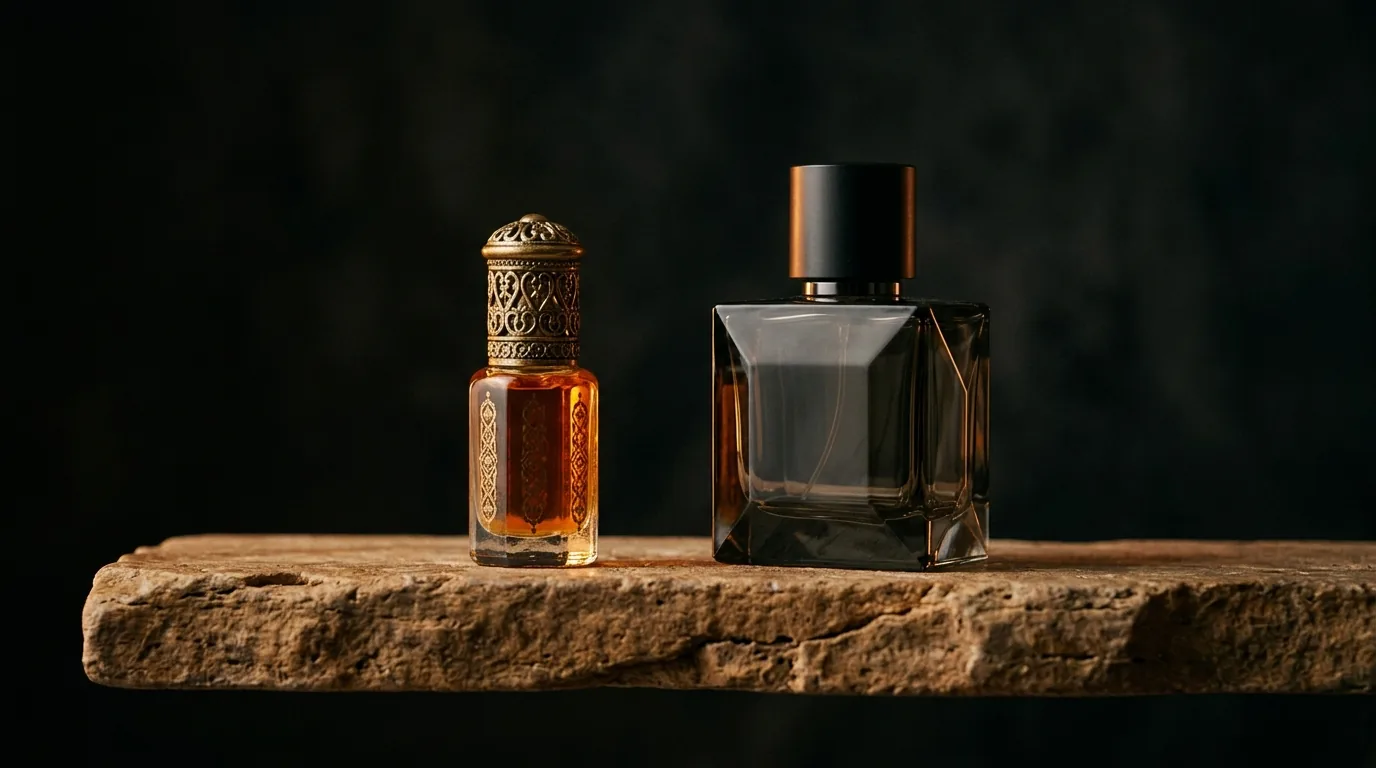
Two very different fragrance businesses sit behind the same shelf in Pakistan. A traditional attar business sells heritage, authenticity and oil-based scent to a loyal niche; a designer-dupe (or "inspired-by") business sells affordable versions of popular perfumes to a price-driven mass market. Attar grows slower but builds a defensible, loyal brand; dupes reach further but compete on price with thin differentiation — and carry a real trademark risk if you copy names, logos or packaging. Pick by your strengths, and stay honest either way. Here's the comparison that matters before you commit.
The attar model: heritage and loyalty
Attar plays on authenticity — oil-based, traditional, culturally rooted. It attracts buyers who value the real thing and will stay loyal, which means healthier margins within a focused niche and a brand that's genuinely hard to copy. The trade-off is slower, narrower growth: you're building depth, not mass reach. It rewards the same positioning discipline and storytelling that any fragrance brand needs to stand out.
Not sure what your brand needs first?
Tell us where you are. We’ll show you the shortest path to more orders — store, ads or brand — with no obligation.
The dupe model: reach and price
The "inspired-by" model competes on affordability — a scent resembling a popular designer fragrance at a fraction of the price. The upside is mass appeal and volume; the downside is a crowded, price-pressured market where differentiation is thin and everyone is fighting on cost. It can scale, but a business built only on being cheaper is fragile — the moment someone undercuts you, loyalty evaporates.
The line you must not cross
Here's the honest-trust part: "inspired by" is a legitimate market, but counterfeiting is not. Copying a brand's name, logo, or packaging is trademark infringement — illegal, and a fast way to destroy your reputation and get shut down. The safe path is your own name and branding, honestly describing the scent family, never passing your product off as the real thing. Build trust with real product descriptions and honest claims, not borrowed logos.
Free: the Scroll-to-Sale Checklist
The 1-page checklist we run on every store before it goes live — 37 conversion checks, in plain language. No cost.
Download the checklist →Which one fits you
Decide by your strengths and where you want to compete. If you can source or blend authentic attars and tell a heritage story, you'll build a loyal, defensible brand worth selling online and even exporting to the Gulf. If you want scale and can compete on honest, well-branded affordability, the inspired-by model reaches more buyers. Your pricing strategy follows from that choice — premium-niche or accessible-volume.
The bottom line
Attar and dupes are two different businesses: attar builds a slower, loyal, defensible brand on authenticity; dupes chase reach and volume on honest price positioning. Choose by your strengths, price accordingly, and never take the counterfeit shortcut — copying names and logos is the one move that reliably ends the business. Want help picking and positioning your fragrance model? Get free guidance.
Frequently asked questions
What's the difference between an attar business and a perfume-dupe business?
An attar business sells traditional oil-based fragrances rooted in heritage and authenticity, usually to a loyal niche. A dupe (or "inspired-by") business sells scents made to resemble popular designer perfumes at a lower price, competing largely on affordability. They attract different buyers, carry different margins, and — importantly — different legal and trust risks.
Are designer perfume dupes legal to sell in Pakistan?
Selling a scent "inspired by" a popular fragrance is common, but copying a brand's name, logo, or packaging crosses into trademark infringement and counterfeiting, which is both illegal and reputationally dangerous. The safe path is honest positioning — your own name and branding, describing the scent family — never passing your product off as the real brand.
Which fragrance model is more profitable?
It depends on execution. Attar can command loyalty and healthy margins within a niche but grows slower; dupes can scale on volume and price appeal but compete in a crowded, price-pressured market with thinner differentiation. Attar builds a defensible brand more easily; dupes win on reach. Neither is automatically more profitable — positioning and trust decide.
Which fragrance business should I start?
Choose by your strengths and values. If you can source or blend authentic attars and tell a heritage story, that builds a loyal, defensible brand. If you want scale and can compete on price and honest "inspired-by" positioning, the dupe model reaches more buyers. Avoid the counterfeit shortcut either way — it's the one path that reliably ends badly.
Not sure what your brand needs first?
Tell us where you are. We’ll show you the shortest path to more orders — store, ads or brand — with no obligation.