How to Start a Perfume Brand in Pakistan: From Attar to Eau de Parfum
To start a perfume brand in Pakistan in 2026, you decide your format (attar or eau de parfum), source your scent (ready oils, a commissioned blend, or imported concentrate), package it (bottle, cap, box, label), price it for real margin, and then sell it online with storytelling that replaces the in-store sniff. Fragrance is one of the best DTC categories in Pakistan — high margin, high emotion, repeat purchase — but it lives or dies on brand and packaging, because nobody can smell a website.
Here's the full path, with the numbers most guides leave out.
Step 1 — Attar or EDP? Pick your lane
- Attar — concentrated, alcohol-free oil, usually in roll-ons or small bottles. Culturally trusted, long-lasting, cheaper to start, strong for gifting and religious occasions.
- Eau de Parfum (EDP) — alcohol-based spray, 15–20% concentrate. Reads modern and "designer," easier to wear casually, scales as a lifestyle brand.
You don't have to choose forever. Plenty of Pakistani brands launch with attar to keep costs low, then add an EDP line once they have buyers. What matters is being deliberate — a brand that sells both without a story feels like a shop, not a label.
Not sure what your brand needs first?
Tell us where you are. We’ll show you the shortest path to more orders — store, ads or brand — with no obligation.
Step 2 — Source your scent
Three realistic routes, cheapest to most premium:
- Ready fragrance oils / concentrates — buy proven oils from local suppliers or import them. Fastest and lowest risk to start.
- Commissioned blend — work with an attar house or fragrance lab to create something closer to your own. More cost, more identity.
- Designer-inspired concentrates — import "inspired-by" concentrates and bottle them locally — a huge segment of the PK market.
Start with oils that already smell like something people want. Invest in a signature blend once a scent proves it sells — not before.
Step 3 — Packaging is half the product
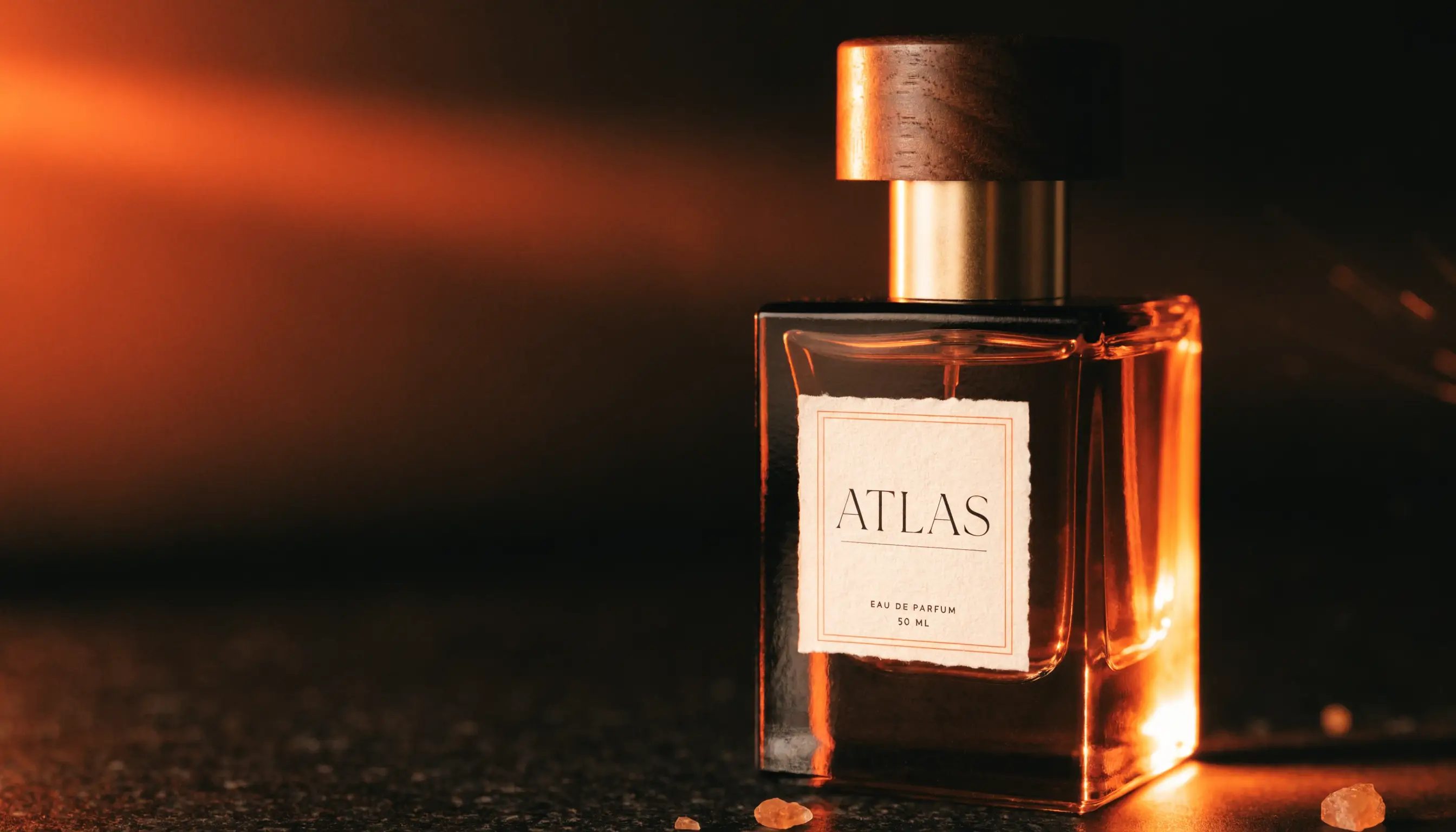
In fragrance, the bottle is the brand. Buyers judge quality by weight of glass, the cap, the box and the label before they ever smell it. Budget for: the bottle, the pump/cap, the outer box, and a label or print. Heavier glass and a rigid box instantly move you from "local" to "premium" in the buyer's mind.
Step 4 — Price for margin, not for fear
New founders underprice out of nervousness. Don't. A boxed EDP that costs you PKR 700 to make should not sell for PKR 1,500 — you'll have nothing left after ads and COD returns. Price on the value and feeling, not your cost. Look at how a premium fragrance store frames price and story on this live fragrance product page — the price feels earned because everything around it is premium.
Free: the Scroll-to-Sale Checklist
The 1-page checklist we run on every store before it goes live — 37 conversion checks, in plain language. No cost.
Download the checklist →Step 5 — Sell a scent nobody can smell
This is the whole game online. You replace the in-store tester with:
- Scent storytelling — the occasion, the mood, the memory. Sell the feeling, not just top/heart/base notes.
- Familiar comparisons — "if you love X, you'll love this." It gives buyers a reference for something invisible.
- Longevity and compliment proof — reviews that mention "lasted all day" and "everyone asked what I was wearing" convert better than any note pyramid.
- A discovery set or samples — lower the risk of a first blind purchase.
- A clear returns promise — trust is the currency when the product is invisible.
Your product page has to do the selling a tester normally would — which is exactly why fragrance brands win or lose on their store and creative, not their oil.
The concentration ladder: parfum, EDP, EDT, attar
"Perfume" isn't one thing. The difference is how much fragrance oil is in the bottle — and it decides price, longevity and how the buyer perceives you:
| Type | Oil concentration | Longevity | Feels like |
|---|---|---|---|
| Attar (oil) | Very high, alcohol-free | All day | Traditional, intimate, gifting |
| Parfum / Extrait | 20–30% | 8–12 hrs | Luxury, premium price |
| Eau de Parfum (EDP) | 15–20% | 6–8 hrs | Modern designer sweet spot |
| Eau de Toilette (EDT) | 5–15% | 3–5 hrs | Fresh, casual, cheaper |
Most modern Pakistani DTC brands anchor on EDP — long enough to satisfy, premium enough to charge for. Attar is the strongest low-cost entry and carries deep cultural trust. You can sell both — as long as each has a clear reason to exist in your line.
Naming and identity: the invisible half of a fragrance brand
Nobody smells your website. So the name, bottle and story carry the brand until the buyer's first spray. A fragrance brand needs a name that feels like a world (not a description), a bottle that photographs like it costs more than it does, and a story a buyer can repeat when someone asks "what are you wearing?"
This is where most local brands lose — they nail the scent and neglect the identity, then wonder why it won't sell above PKR 1,500. Invest in the name and the look as if they are the product. Online, they are.
Samples and discovery sets: lower the risk of a blind buy
The biggest objection in fragrance is "what if I don't like it after paying?" Answer it before it's asked. A 2ml sample or a discovery set of your top three scents lets a nervous first-time buyer try before committing to a full bottle — and gives you a low-cost first sale that turns into a full-price repeat. Plenty of strong PK brands use samples as their entire top-of-funnel offer: cheap to ship, easy to say yes to, and a direct path to a loyal customer.
Pricing tiers: where to place your bottle
A rough map of the PK fragrance market:
- PKR 1,500–2,500 — attars, entry EDPs, impulse and gifting.
- PKR 3,000–5,000 — the modern DTC sweet spot: good juice, a real box, a brand story.
- PKR 6,000–10,000+ — premium and niche, where identity and packaging must fully justify the price.
Pick the tier your brand can believably own, then make every touchpoint — bottle, box, page, ad — consistent with it. A PKR 6,000 scent in PKR 1,500 packaging won't sell; the reverse won't feel worth it either.
Selling to the GCC from Pakistan
Fragrance is one of the few categories where the Gulf is genuinely within reach for a Pakistani brand — the audience already loves oud, attar and heavy orientals. If you plan to export, factor in compliance (ingredient and labelling rules differ), couriers that handle fragrance (alcohol-based liquids have shipping restrictions), and pricing in the local currency. It's a bigger game than the home market — but the margins and the appetite can be worth it once your brand is proven locally.
Step 6 — Launch it like a brand
Get the store live, run a small Meta test to a scent-led angle, and lean on WhatsApp to close — fragrance buyers ask a lot of questions before the first order. The full launch checklist is in our guide to starting an online store in Pakistan.
Fragrance rewards brand more than almost any category in Pakistan. The scent gets them to try; the brand gets them to stay. If you want help building the store and the creative that make a scent feel worth PKR 6,000, that's what we do — tell us about your idea and we'll show you what's possible.
Frequently asked questions
How much does it cost to start a perfume brand in Pakistan?
A small first batch is more accessible than founders expect: roughly PKR 150,000–400,000 gets you a starting run of a few hundred units — concentrate/oil, bottles, caps, boxes and labels — plus a store and a first ad test. You can start smaller with attar in roll-ons, or go premium with heavier glass and boxed EDPs.
Is it better to sell attar or eau de parfum (EDP)?
Attar is alcohol-free, concentrated, culturally trusted and cheaper to start; EDP is alcohol-based, sprays, and reads as more "designer" and premium. Attar is a faster, lower-cost entry; EDP scales better as a modern brand. Many PK brands launch with attar and add an EDP line once they have an audience.
Where do perfume brands in Pakistan source their scent?
Three common routes: buy ready fragrance oils/concentrates from local and imported suppliers, commission a blend from an attar house or fragrance lab, or import designer-inspired concentrates and bottle them locally. Start with proven oils, then invest in a signature blend once a scent sells.
How do you sell perfume online when people can't smell it?
You sell the feeling and the occasion, not the notes. Strong scent storytelling, comparisons to scents people know, reviews about compliments and longevity, samples or a discovery set, and a clear returns promise all replace the in-store sniff. The product page does the selling a tester normally would.
Not sure what your brand needs first?
Tell us where you are. We’ll show you the shortest path to more orders — store, ads or brand — with no obligation.