
Fragrance Product Pages: Describing Scent With Words That Sell
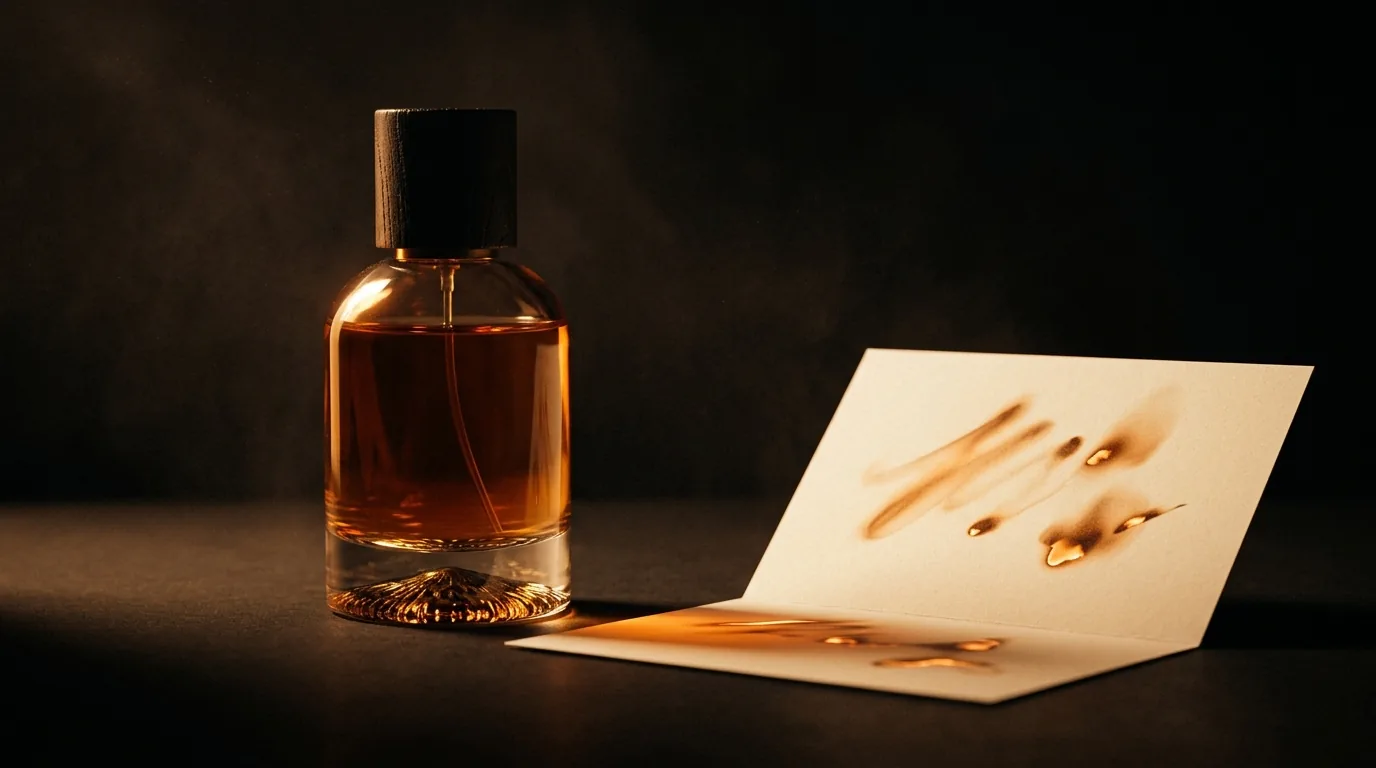
A buyer can't smell your perfume through a screen, so the product description has to do the smelling for them — translating notes, mood, longevity and occasion into words vivid enough that they can imagine wearing it. Generic "long-lasting fragrance for all occasions" copy sells nothing because it makes the buyer picture nothing. Here's how to describe scent so it becomes almost tangible on the page — with examples you can adapt.
Fragrance is the hardest product to sell online and the most rewarding when the words work.
Lead with the feeling, not the note list
Buyers don't fall for "top notes: bergamot" — they fall for who they'll be when they're wearing it. Open with the mood and the moment: the confidence walking into a room, the warmth of an evening out, the fresh calm of a morning. Then support that feeling with the notes. The description sells the transformation; the notes are the proof. This is the heart of selling perfume online — you're selling a feeling the buyer wants to own.
Not sure what your brand needs first?
Tell us where you are. We’ll show you the shortest path to more orders — store, ads or brand — with no obligation.
The four things every fragrance page must answer
Buyers hesitate on scent because of unknowns. Remove them:
- What it smells like — in sensory, relatable language (warm, fresh, sweet, woody, spicy), not just an INCI-style note dump.
- How long it lasts — longevity and sillage honestly stated; overpromising kills repeat sales and drives returns.
- When to wear it — day or night, season, occasion. Help them place it in their life.
- Who it's for — a signature scent, a bold statement, an everyday wear. Let them self-identify.
Show the scent in words — examples
- Instead of "Fresh fragrance, long-lasting" → "A clean citrus opening that settles into warm cedar — light enough for the office, with just enough depth to carry into the evening. Lasts through a working day."
- Instead of "Oud perfume for men" → "Deep, smoky oud wrapped in sweet amber — a cold-weather scent that announces you before you speak. A few sprays last the night."
Notice both name the notes and the mood, occasion and longevity. That's what makes a scent feel real on a page.
Free: the Scroll-to-Sale Checklist
The 1-page checklist we run on every store before it goes live — 37 conversion checks, in plain language. No cost.
Download the checklist →Structure for the page
- Sensory headline — the feeling in one line.
- Short story paragraph — the mood and moment.
- Scent profile — notes grouped as opening / heart / base, in plain language.
- Honest longevity and sillage.
- Occasion and who-it's-for.
- Trust block — authenticity, COD, returns; fragrance buyers worry about fakes, so reassurance matters even more here.
Keep it skimmable, and make sure it works on a phone like any converting product page.
The bottom line
Sell the feeling first, then prove it with honestly-described notes, longevity, occasion and fit. Swap generic scent copy for sensory, specific language that lets a buyer imagine wearing it — and never overpromise longevity, because fragrance trust is fragile. Building or scaling a fragrance brand, whether local or into the Gulf? Get free guidance.
Frequently asked questions
How do you describe a perfume you can't smell online?
Lead with the feeling and the moment — who the buyer becomes wearing it — then support it with the notes described in sensory, relatable words like warm, fresh, woody or sweet. Add honest longevity, the occasions it suits, and who it's for. The goal is to let the buyer imagine wearing it, not to list ingredients.
Should I list fragrance notes on the product page?
Yes, but as proof, not as the lead. Group them as opening, heart and base in plain language, and pair them with the mood and occasion. Notes alone read like a spec sheet; notes plus feeling let the buyer picture the scent and place it in their life.
How honest should I be about longevity?
Completely honest. Overstating how long a fragrance lasts is the fastest way to earn returns, bad reviews and lost repeat buyers. State realistic longevity and sillage — buyers respect the honesty, and it protects the trust that fragrance brands live and die on.
What kills a fragrance product page?
Generic copy ("long-lasting fragrance for all occasions") that makes the buyer picture nothing, a bare note dump with no mood, overpromised longevity, and no reassurance about authenticity. Fragrance buyers fear fakes and disappointment, so vague, over-hyped pages lose them.
Not sure what your brand needs first?
Tell us where you are. We’ll show you the shortest path to more orders — store, ads or brand — with no obligation.