
The Supplement Trust Problem: Selling Wellness in a Skeptical Market
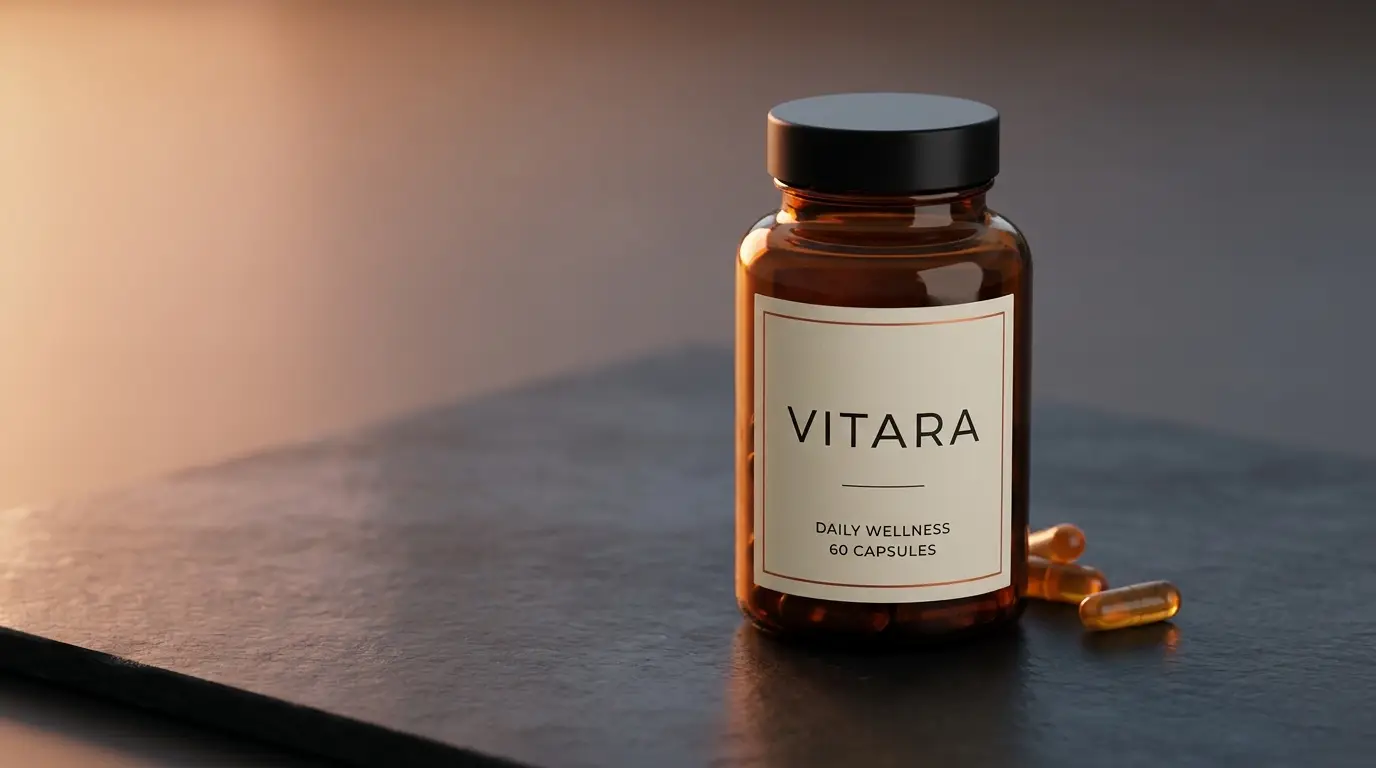
Selling supplements online in Pakistan is highly profitable — strong margins, repeat purchase, emotional buyers — but only if you solve the trust problem, because the market is deeply skeptical of health claims. The brands that win don't shout louder; they prove harder. This is a guide to building genuine trust in a skeptical wellness market, and still selling.
Why supplements are a trust game
Pakistani buyers have seen countless "miracle" health products that didn't work. So the default reaction to a new supplement is doubt: does this actually do anything, and can I trust these people? If your store can't answer that convincingly, it doesn't matter how good the product is — they won't buy, and if they do once, they won't repeat.
That skepticism is also your opportunity. In a market full of hype, the brand that feels honest and proven stands out fast.
The claims line you can't cross
Supplements are where brands get banned and sued. The rule: you sell a wellness product, not medicine. You cannot claim to cure, treat or prevent diseases.
- Avoid: "cures diabetes," "treats depression," "removes joint disease."
- Use: honest, specific wellness and structure/function-style language — how it supports energy, sleep, or daily wellbeing — without disease claims.
Overclaiming gets your Meta ads rejected and torches the trust you're trying to build. Honest claims sell better and keep you safe.
Not sure what your brand needs first?
Tell us where you are. We’ll show you the shortest path to more orders — store, ads or brand — with no obligation.
The trust stack for supplements
Build belief with layers, placed where doubt lives:
- Transparency on ingredients — what's inside, how much, where it's sourced. Hiding the formula reads as hiding something.
- Real proof — genuine reviews and results, not fabricated before/afters. Fake proof is worse than none in a skeptical market.
- Quality signals — certifications, lab/quality mentions, batch and expiry — wherever they're real.
- A credible face — a founder or spokesperson who answers for the product builds far more trust than a faceless brand.
- Honest boundaries — saying what the product doesn't do makes buyers believe what it does.
This is the same trust-first product-page discipline that works across DTC — supplements just need it turned up to the maximum.
Positioning: education over hype
The winning supplement content in Pakistan educates. It explains the problem, the ingredient, and the honest benefit — and lets the buyer conclude. Hype triggers skepticism; education disarms it. Lean on honest UGC — real people sharing real, believable experiences — over glossy claims.
Free: the Scroll-to-Sale Checklist
The 1-page checklist we run on every store before it goes live — 37 conversion checks, in plain language. No cost.
Download the checklist →The store setup that converts wellness buyers
- A product page heavy on ingredients, proof, guarantees and FAQs.
- Clear COD and easy returns — lowering the risk of trying an unproven-to-them product.
- A subscription or repeat offer — supplements are consumed and re-bought, so repeat revenue is where the money is.
- WhatsApp support for the "will this work for me?" questions that close (and retain) wellness buyers.
If you're weighing supplements against another category, our skincare and fragrance guides run the same trust-first playbook for those niches.
The bottom line
Supplements reward the honest and the patient. Build real trust — transparency, proof, honest claims, a credible face — and you get a high-margin, repeat-purchase brand in a category most people market badly. Cut corners on trust and you get one sale and a refund. If you want a store and creative built to earn belief in a skeptical market, tell us about your product and we'll show you how.
Note: this article is general marketing guidance, not medical or regulatory advice — verify claims rules for your specific products.
Frequently asked questions
Is selling supplements online in Pakistan profitable?
It can be very profitable — supplements have strong margins, repeat purchase and emotional buyers — but only if you solve the trust problem. Pakistani buyers are skeptical of health claims, so brands that build genuine trust (proof, honest claims, transparency) win, while hype-driven ones burn out. Trust is the moat, not the product.
What health claims can I legally make for supplements?
Avoid medical claims — you can't claim to cure, treat or prevent diseases. Stick to permitted structure/function-style and general-wellness language, and be honest. Overclaiming ("cures diabetes") gets ads banned and destroys trust. Honest, specific, benefit-focused language sells better and keeps you safe.
How do I build trust for a supplement brand?
Show what's inside (ingredients, sourcing), display real reviews and results, add certifications or lab/quality signals where genuine, use a credible spokesperson or founder, and be transparent about what the product does and doesn't do. In supplements, transparency converts better than hype.
How do supplement brands market on Meta in Pakistan?
With honest, education-first creative — real people, clear benefits, and proof — not exaggerated before/afters or banned claims. Health-and-wellness ads face stricter review, so claims-safe, trust-building UGC performs best. The goal is belief, and belief comes from honesty plus proof.
Not sure what your brand needs first?
Tell us where you are. We’ll show you the shortest path to more orders — store, ads or brand — with no obligation.